Termite risk in Wollert: timber frames, management systems and what to check
Termite risk is not about how old a suburb is. It is about whether there is timber, moisture and a way in. Wollert's housing stock is overwhelmingly timber framed on a concrete slab, which is the arrangement Australian termite management systems are designed around. In a new build the protection is installed early, at the slab and the penetrations, and then it spends months exposed to other trades. A breached system looks like nothing at all from the outside, which is why we check it at lock-up while it can still be seen, and why an inspection under AS 4349.3 on an established house is a different job again.




How termite protection works on a slab-on-ground house
Protection is usually a physical or chemical barrier at the perimeter and at every service penetration through the slab. It does not stop termites existing, it makes their entry visible so it can be found on inspection. That is the point people most often misunderstand: the system manages risk, it does not make a house immune.
Where new-build protection gets breached
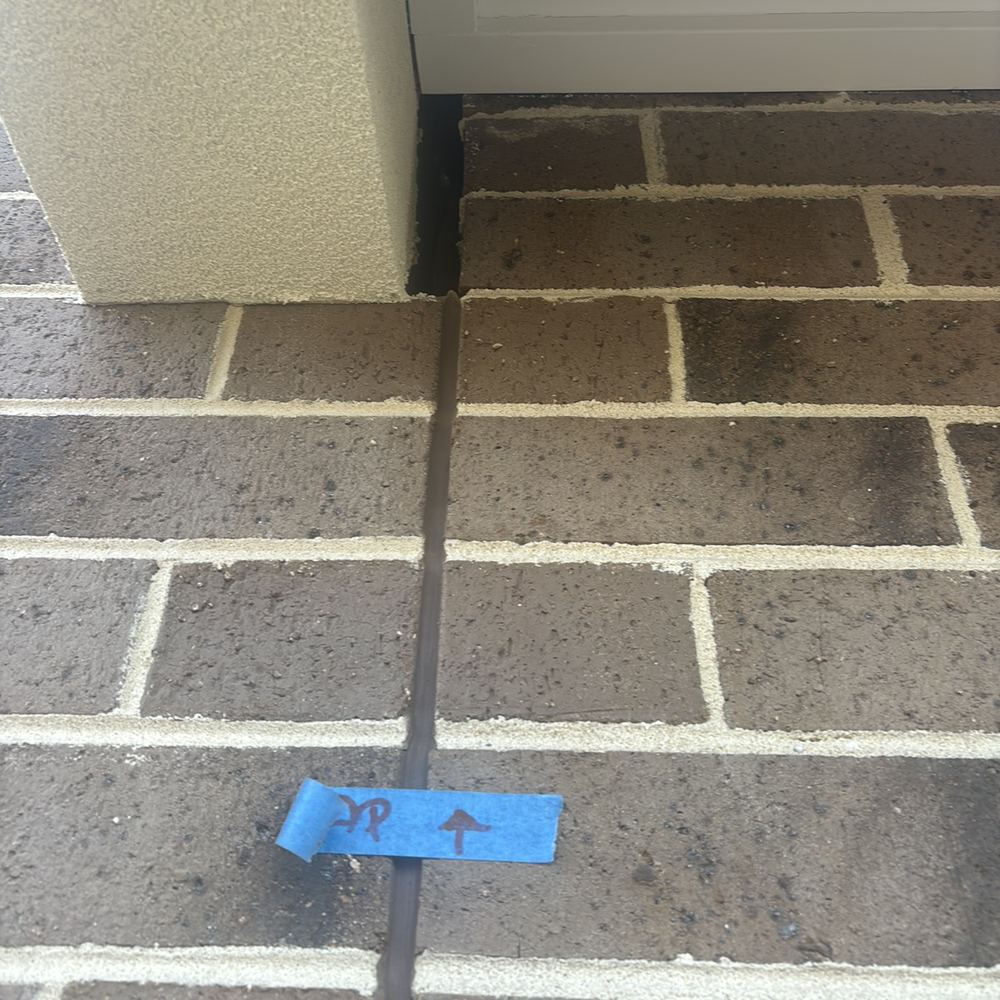
The common failures we record are penetrations left unsealed after a later trade opened them, barrier material damaged or cut, and rendered or paved finishes bridging the inspection zone at the slab edge. All of it is ordinary sequencing, not sabotage, and all of it is visible at lock-up if somebody looks.
The conducive conditions that matter most here
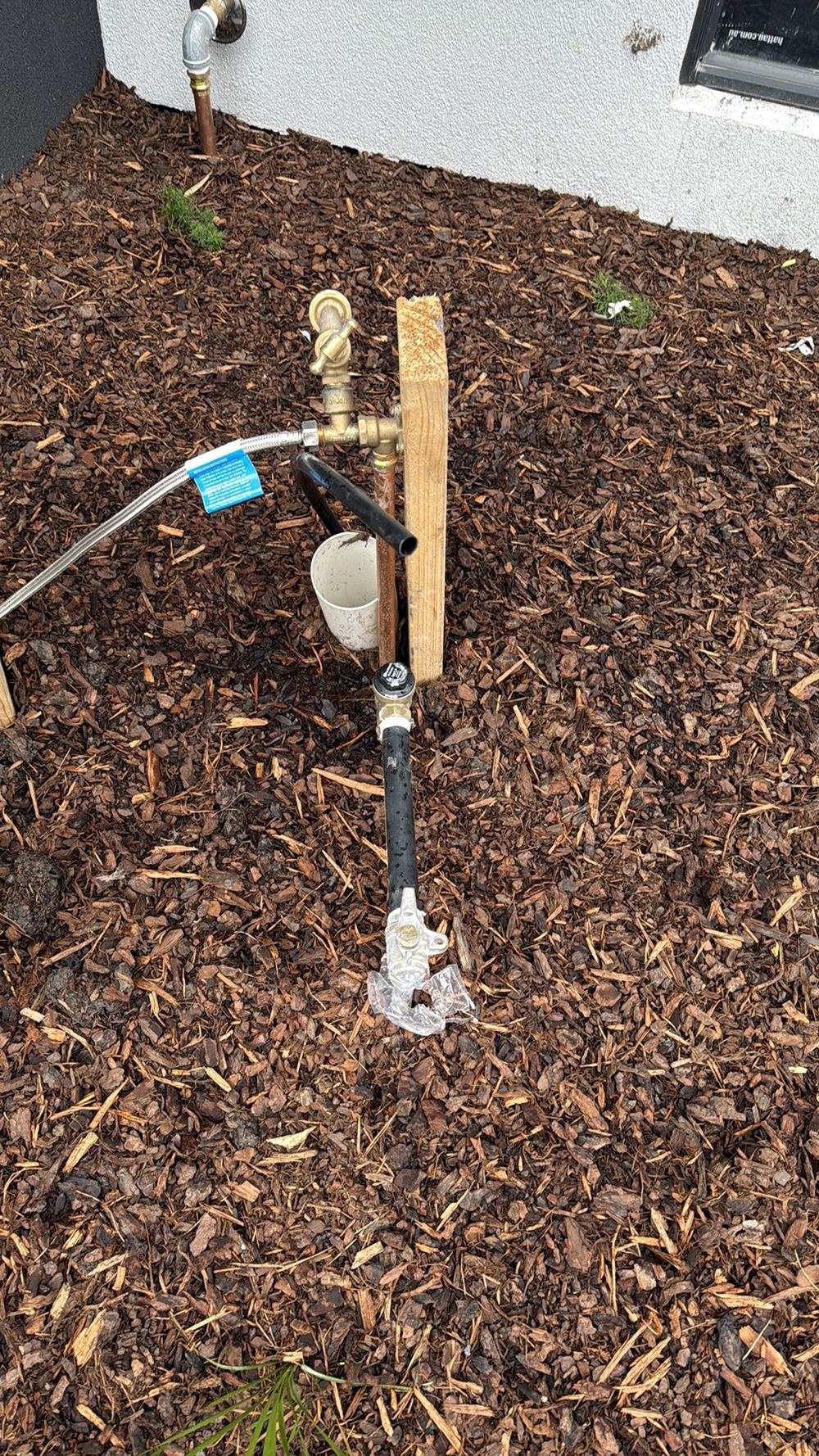
Garden beds and mulch hard against the wall, irrigation running along the slab edge, timber retaining and sleepers in contact with soil, stored timber and formwork left under the alfresco, air conditioning condensate discharging beside the slab, and poor site drainage. In a young suburb with new landscaping going in, these appear fast and are easy to fix while they are still cheap.
The termite management notice
A new home should have a durable notice, commonly in the meter box, recording the system installed, by whom and when, and what maintenance it needs. We check whether it exists and what it says. On resales it is often missing or long out of date, which tells you the protection may no longer be current.
What a timber pest inspection can and cannot tell you
An inspection under AS 4349.3 is a visual inspection of accessible areas that reports evidence of timber pests, damage and conducive conditions at the time of inspection. It is not a treatment, and no inspection can certify a property free of termites. Where access is restricted we say so in the report rather than implying we saw what we could not.
More about Wollert
- Building a new home in Wollert: stages, ground and what goes wrong
- Buying a house in Wollert: prices, stock and what to check
- Wollert growth: the precinct structure plan, dwellings and infrastructure
- Building permits, the City of Whittlesea and the dispute path in Wollert
- Wollert soil: reactive basalt clay, AS 2870 and why slabs crack
- The defects we record most often on Wollert inspections
- Wollert site conditions: wind classification, climate zone and planning overlays
Written by the Owner Inspections team from inspections carried out in Wollert. Licensed building practitioners, Building & Plumbing Commission registration CDB-U 53425.