Withholding money at handover on a Wollert new build
What Victorian owners can and cannot withhold at practical completion, how retention works, and what to do before releasing final payment.




In short: Final payment is leverage you only get once. What the contract usually allows, what it does not, and how to document a withholding so it does not backfire.
Read the payment clause before you decide anything
Every Victorian domestic building contract sets out when the final claim becomes payable and what the owner can do if the works are not complete. Some allow a defined retention against incomplete items. Some require payment on the issue of the occupancy permit regardless. Your rights come from that clause, not from what the neighbours in the estate did on their build.
Incomplete work and defective work differ
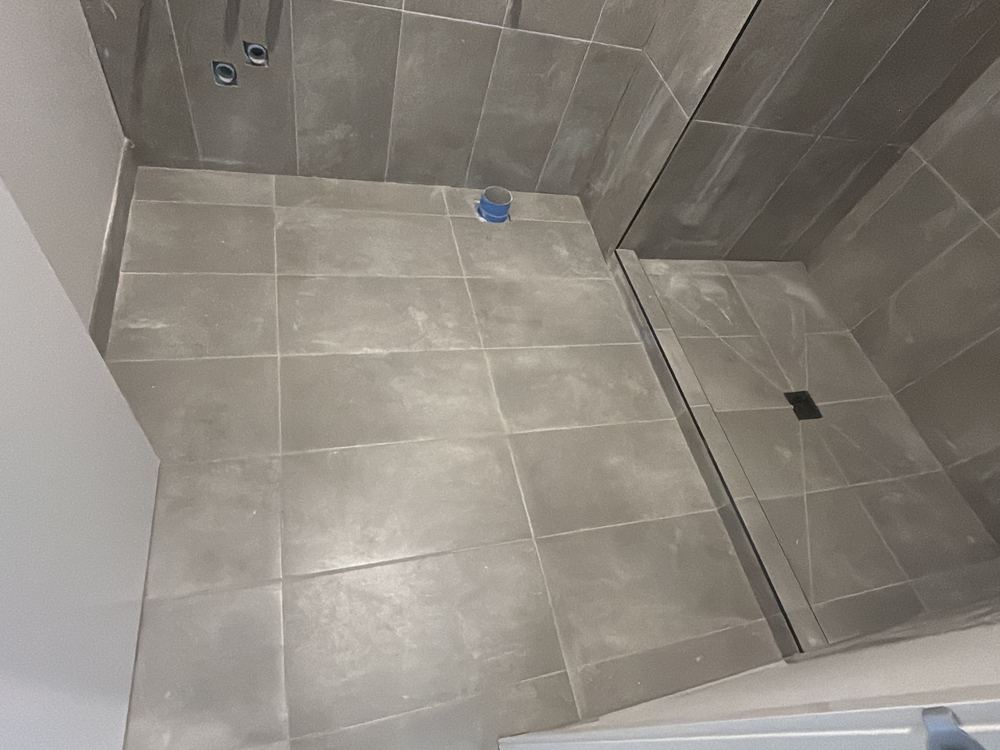
Incomplete work is something that has not been done, such as a missing door stop or an unfinished section of paving. Defective work is something done badly. Contracts often treat them differently at practical completion, and a builder is far more likely to accept a hold against genuinely incomplete items than against a long list of finish quality complaints.
How to quantify what you hold
A withholding has to be a reasonable estimate of the cost of the outstanding work, not a round number chosen for effect. Price the items, or have them priced, and set the figure out in writing item by item. An amount that looks arbitrary invites a dispute over the withholding itself and shifts attention away from the defects you are actually concerned about.
The risks of holding too much
Overholding can put you in breach, trigger interest under the contract, delay the handover of keys and, in a serious case, give the builder a claim against you. It can also sour a relationship you still need for the maintenance period. Getting legal advice before withholding a significant sum is far cheaper than unwinding a dispute later.
What to do instead, or alongside
Agree a written rectification schedule with dates. Book a re-inspection to confirm the work rather than accepting a message that it is finished. Confirm which items are accepted, which are disputed and which will be handled in the maintenance period. A signed list with dates is often worth more than a few thousand dollars held awkwardly.
Before you release the final payment
Confirm you hold the occupancy permit, the compliance certificates for the plumbing and electrical work, the Domestic Building Insurance certificate where the contract required it, the termite management notice and the warranty documents. Do a final walkthrough on the day, not a week before, because damage happens during last trades and cleaning.
Written by the Owner Inspections team from inspections carried out in Wollert. Licensed building practitioners, Building & Plumbing Commission registration CDB-U 53425.